Water Heater Replacement and Upgrades in Berea, London, Richmond, & Lexington, KY
Overview of Water Heater Replacement and Upgrade Services
Water heater replacement and upgrade services in Berea, London, Richmond, & Lexington, KY provided by JB Plumbing focus on removing outdated or malfunctioning water heating systems and installing new units that restore consistent hot water supply. Water heaters are essential components of residential and commercial plumbing systems, supplying heated water for bathing, cleaning, cooking, and sanitation needs.
Over time, water heaters may lose efficiency due to sediment buildup, internal corrosion, or mechanical wear. When performance declines or system failure occurs, replacement becomes necessary. Upgrades may also be performed when transitioning to newer systems, such as tankless water heaters or higher-efficiency models designed to support improved energy and water usage performance.
Water Heater System Types and Configurations
Water heating systems are typically categorized into storage tank systems and tankless systems. Each type operates differently and requires specific installation and replacement procedures.
Storage Tank Water Heaters
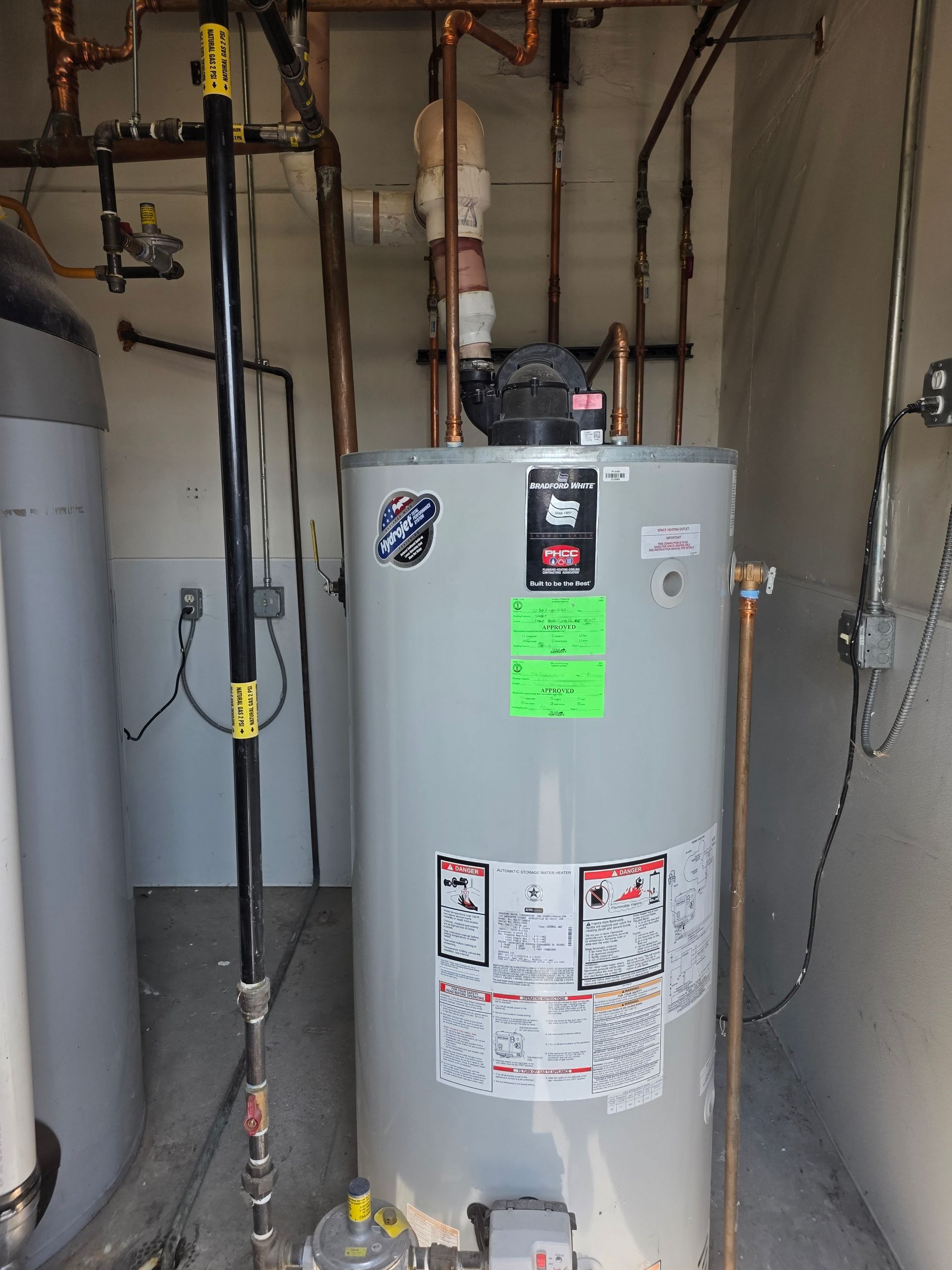
Storage tank water heaters heat and store a fixed volume of water inside an insulated tank. This heated water is then distributed through the plumbing system as needed. Over time, sediment can accumulate at the bottom of the tank, reducing heating efficiency and storage capacity. Replacement is often considered when tanks become less effective or reach the end of their service life.
Tankless Water Heating Systems
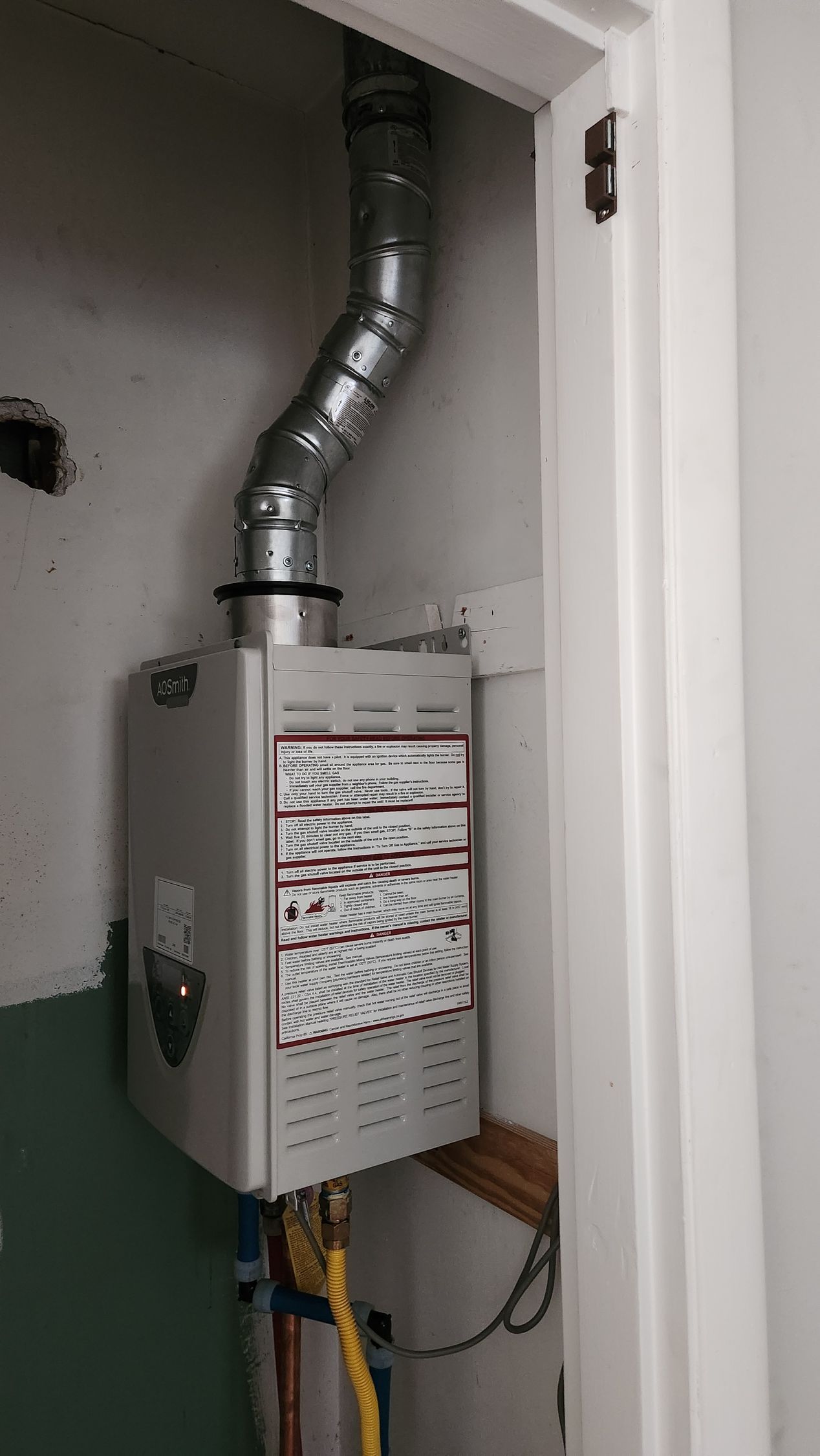
Tankless water heaters provide hot water on demand by heating water as it flows through the unit. These systems do not store water, which reduces standby heat loss. Installation and upgrades involving tankless systems require careful evaluation of water flow rates and plumbing compatibility to ensure consistent performance across usage points.
Hybrid Water Heating Systems
Some properties use hybrid systems that combine features of both tank and tankless technology. These systems are designed to improve efficiency while maintaining steady hot water availability. Replacement and upgrade work may involve transitioning between system types based on property requirements.
Water Heater Replacement Process
Water heater replacement involves removing an existing unit and installing a new system that meets the property’s water usage demands and plumbing configuration. The process is structured to ensure proper system integration and safe operation.
System Disconnection and Removal
The replacement process begins with safely disconnecting the existing water heater from the water supply, power source, or gas line depending on the system type. Once disconnected, the unit is carefully removed from its installation location to prepare for the new system.
Evaluation of Existing Plumbing Connections
Before installing a new water heater, existing plumbing connections are evaluated to ensure compatibility. This includes checking water supply lines, drainage connections, and pressure conditions. Any necessary adjustments are made to support the new system requirements.
Installation of New Water Heating Unit
The new water heater is installed and connected to the plumbing system, ensuring proper alignment with water inlet and outlet lines. For tank systems, secure placement and leveling are important for stable operation. For tankless systems, wall-mounted installation and precise connection setup are required.
Water Heater Upgrades and System Improvements
Water heater upgrades focus on improving system efficiency, capacity, or technology type. Upgrading a water heating system can involve replacing older models with more efficient units or transitioning to different heating technologies.
Efficiency-Based Upgrades
Efficiency upgrades involve installing water heaters that use less energy while maintaining consistent hot water output. These systems are designed to reduce energy consumption by improving heating methods and insulation performance.
Capacity Adjustments
In some properties, water usage increases over time due to household growth or business expansion. Upgrading water heater capacity ensures that the system can handle higher demand without running out of hot water during peak usage periods.
Technology Transitions
Upgrades may involve transitioning from traditional tank systems to tankless units or modern hybrid systems. These transitions require modifications to plumbing connections and system configuration to ensure proper integration with existing infrastructure.
Sediment Buildup and System Wear Factors
Water heater performance is often affected by internal conditions that develop over time. One of the most common issues is sediment buildup inside tank systems.
Sediment Accumulation
Sediment forms when minerals in water settle at the bottom of the tank. This buildup reduces heating efficiency and can cause uneven water temperatures. Over time, it can also place stress on internal components.
Corrosion and Component Aging
Metal components within water heaters can corrode due to long-term exposure to water and heat cycles. Corrosion weakens system structure and can lead to leaks or complete system failure.
Heating Element Degradation
In electric water heaters, heating elements may degrade over time, resulting in reduced heating performance. This can lead to inconsistent hot water supply and increased energy consumption.
Residential Water Heater Replacement
Residential water heater replacement in Berea, London, Richmond, & Lexington, KY focuses on restoring hot water supply for household use. Homes rely on water heaters for daily activities such as bathing, dishwashing, and laundry.
Replacement work in residential settings often involves evaluating available installation space, existing plumbing layout, and household water usage patterns. Proper system selection and installation ensure that hot water is delivered consistently throughout the home.
Commercial Water Heater Replacement
Commercial water heater systems support higher and more continuous demand compared to residential systems. Businesses such as restaurants, hotels, and office buildings depend on reliable hot water supply for operations and sanitation.
Commercial replacement and upgrade services involve larger capacity systems and more complex plumbing integration. These systems are designed to handle continuous usage and multiple simultaneous demand points without performance loss.
Plumbing Integration and System Compatibility
Water heater replacement and upgrades require proper integration with the existing plumbing system to ensure consistent performance. This includes aligning water inlet and outlet lines, maintaining appropriate pressure levels, and ensuring safe discharge of heated water.
In Berea, London, Richmond, & Lexington, KY, plumbing systems vary between older residential properties and newer commercial buildings, making system compatibility an important part of replacement planning. JB Plumbing evaluates existing plumbing conditions to ensure that new water heating systems operate efficiently within the structure of the property.