Duplex and Multi-Unit Installations in Berea, London, Richmond, & Lexington, KY
Overview of Duplex and Multi-Unit Plumbing Installations
Duplex and multi-unit plumbing installation services in Berea, London, Richmond, & Lexington, KY provided by JB Plumbing focus on designing and installing complete plumbing systems for properties that contain multiple living units. These include duplexes, triplexes, apartment buildings, and rental complexes where each unit requires independent yet connected plumbing functionality.
Multi-unit plumbing systems are more complex than single-family residential systems because they must support multiple kitchens, bathrooms, and laundry areas within a shared structural framework. Each unit requires reliable water supply, drainage, and venting while ensuring the system operates efficiently as a whole.
Plumbing System Design for Multi-Unit Properties
Plumbing design for duplexes and multi-unit buildings requires careful planning to ensure each unit receives consistent water service and proper wastewater removal.
Individual Unit Water Supply Layout
Each unit is designed with its own water supply connections to ensure independent control and usage. This includes routing separate water lines to kitchens, bathrooms, and utility areas within each unit.
Shared Main Plumbing Infrastructure
While each unit has individual connections, multi-unit buildings often share a main water line and sewer connection. The system is designed to distribute water evenly while maintaining proper pressure across all units.
Venting System Coordination
Vent systems in multi-unit properties are coordinated to support multiple drainage systems within the same building. Proper venting ensures balanced air pressure and prevents drainage issues across interconnected plumbing lines.
Water Distribution in Duplex and Multi-Unit Buildings
Water distribution systems in multi-unit installations must handle simultaneous usage across multiple households or tenants. This requires balanced design and careful system sizing.
Pressure Balancing Between Units
Water pressure must remain consistent across all units to ensure equal performance. Plumbing systems are designed to prevent pressure loss when multiple fixtures are used simultaneously in different units.
Dedicated Unit Metering Considerations
In some multi-unit properties, water usage is tracked separately for each unit. Plumbing design may accommodate individual metering systems depending on property requirements.
Hot and Cold Water Routing
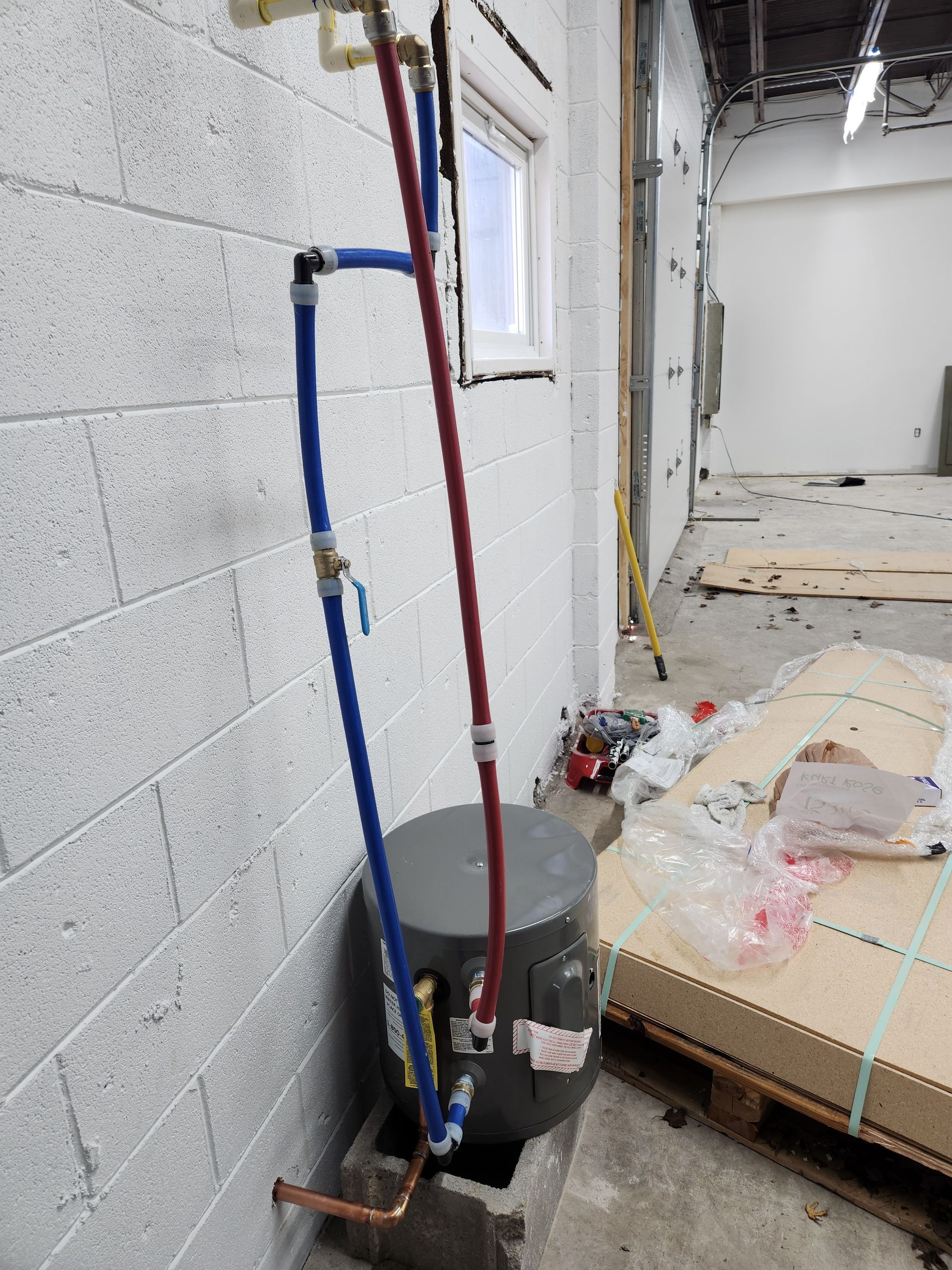
Hot and cold water lines are routed to each unit independently, ensuring that all tenants have access to consistent temperature-controlled water supply.
Drainage Systems in Multi-Unit Installations
Drainage systems in duplexes and apartment buildings must efficiently handle wastewater from multiple units while preventing backups or cross-unit interference.
Unit-Based Drain Connections
Each unit has its own drainage connections for sinks, toilets, showers, and appliances. These connections are routed into a shared main sewer line.
Main Sewer Line Integration
All unit drainage systems connect to a central sewer line that carries wastewater away from the building. Proper sizing and slope are critical to support combined flow from multiple units.
Backflow Prevention Measures
Multi-unit systems require safeguards to prevent wastewater from one unit affecting another. Proper installation ensures that drainage flows in one direction without cross-contamination.
Vent System Design for Multi-Unit Properties
Vent systems play a critical role in maintaining proper drainage performance in multi-unit buildings. Without proper venting, pressure imbalances can affect multiple units at once.
Vertical Vent Stack Systems
Multi-unit properties often use vertical vent stacks that run through the building to support multiple drainage lines. These stacks help maintain consistent airflow across all floors and units.
Air Pressure Equalization
Vent systems are designed to equalize air pressure within the plumbing network. This prevents slow drainage and gurgling sounds caused by trapped air in shared systems.
Sewer Gas Control
Proper venting ensures that sewer gases are safely released outside the building rather than entering individual units. This is essential for maintaining safe indoor environments.
Installation Phases for Multi-Unit Plumbing
Plumbing installation in duplexes and multi-unit buildings follows structured phases that align with construction progress.
Underground and Foundation Plumbing
The initial phase involves installing underground water and sewer lines that connect the building to municipal systems. This forms the base of the plumbing infrastructure.
Rough-In Plumbing for Each Unit
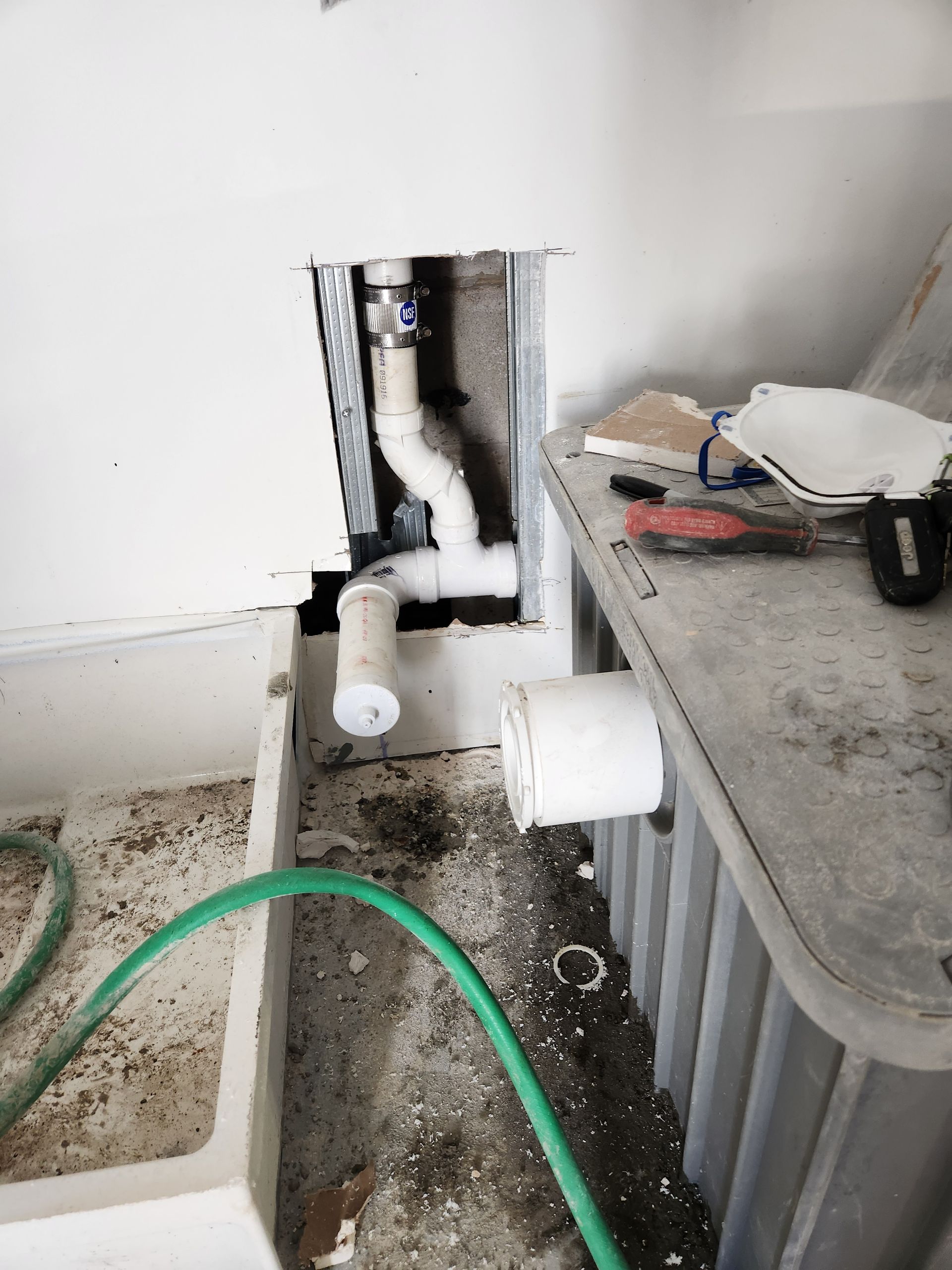
During the rough-in stage, pipes are installed within walls and floors for each unit. This includes water supply lines, drainage pipes, and vent connections.
Final Fixture Connections
Once construction is complete, fixtures such as sinks, toilets, and appliances are connected to the plumbing system. This stage prepares each unit for occupancy.
System Coordination and Performance Management
Multi-unit plumbing systems must be carefully coordinated to ensure consistent performance across all units. This includes balancing water distribution, drainage flow, and venting systems.
System Load Distribution
Plumbing systems are designed to distribute load evenly across all units to prevent strain on any single section of the network.
Maintenance Access Planning
Multi-unit systems are designed with access points that allow for maintenance and repairs without disrupting all units at once.
Performance Monitoring Considerations
Ongoing system performance can be evaluated by monitoring water pressure, drainage flow, and usage patterns across units.
Residential Multi-Unit Plumbing Systems
Residential multi-unit properties such as duplexes and apartment buildings require plumbing systems designed for shared infrastructure with independent unit functionality.
Individual Unit Functionality
Each unit operates independently with its own plumbing connections, allowing tenants to use water and drainage systems without interference from other units.
Shared Infrastructure Efficiency
Shared plumbing infrastructure reduces overall system complexity while maintaining efficient water distribution and wastewater removal for all units.
Long-Term System Durability
Multi-unit systems are designed for continuous use and must withstand higher demand compared to single-family homes. Proper installation supports long-term reliability.
Commercial Multi-Unit Plumbing Systems
Commercial multi-unit installations include larger apartment complexes, mixed-use buildings, and rental properties with higher occupancy rates.
High-Capacity Water Systems
Commercial multi-unit buildings require plumbing systems capable of handling large volumes of water usage across multiple tenants simultaneously.
Complex Drainage Networks
Drainage systems in commercial multi-unit properties are more complex due to higher wastewater output and multiple connection points.
Code Compliance and Building Standards
Commercial installations must meet local plumbing codes and regulations to ensure safety, efficiency, and system reliability.
Integrated Plumbing in Multi-Unit Properties
Duplex and multi-unit plumbing systems function as integrated networks that support multiple living spaces within a single structure. Each component, including water supply, drainage, and venting, must work together to maintain system balance.
In Berea, London, Richmond, & Lexington, KY, multi-unit properties rely on structured plumbing installation to ensure reliable service across all units. JB Plumbing installs coordinated plumbing systems designed to support shared infrastructure while maintaining independent functionality for each residential or commercial unit.