Leak Detection and Repair in Berea, London, Richmond, & Lexington, KY
Overview of Leak Detection and Repair Services
Leak detection and repair services provided by JB Plumbing in Berea, London, Richmond, & Lexington, KY focus on identifying water leaks within residential and commercial plumbing systems and restoring proper system integrity through targeted repairs. Plumbing leaks can occur in visible areas such as faucets and exposed pipes, as well as hidden locations behind walls, beneath floors, or underground. Detecting these issues requires a structured approach that evaluates water flow behavior, pressure consistency, and physical system conditions.
Leak repair work is closely tied to detection because accurate identification of the source determines the type of repair required. Some leaks are minor and localized, while others may indicate deeper system issues such as pipe corrosion, joint failure, or pressure irregularities. Both detection and repair are handled as part of a continuous process that ensures the plumbing system is properly restored.
Leak Detection Methods and Diagnostic Approach
Leak detection involves assessing plumbing systems using both visual inspection and diagnostic tools to locate areas where water loss is occurring. In many cases, leaks are not immediately visible, requiring systematic evaluation of plumbing lines and surrounding structures.
Water Pressure Testing
Water pressure testing is used to identify inconsistencies in the plumbing system. A drop in pressure can indicate the presence of a leak within supply lines or connected fixtures. By isolating sections of the plumbing system, it becomes possible to determine which area is affected and requires further inspection.
Acoustic Leak Detection
Acoustic methods rely on listening devices that detect the sound of water escaping from pipes. Even when leaks are hidden behind walls or underground, water movement creates subtle sound variations that can be traced back to the source. This method is especially useful in identifying leaks that are not visible through surface inspection.
Visual and Structural Inspection
Visible signs such as water stains, damp surfaces, or mold growth often indicate underlying leaks. Structural inspection involves examining walls, ceilings, flooring, and exposed pipe areas to identify physical evidence of water intrusion. This process helps narrow down the possible location of the leak before further diagnostic steps are taken.
Common Sources of Plumbing Leaks
Plumbing leaks can originate from various parts of a system depending on age, material condition, and water usage patterns. Understanding where leaks commonly develop helps guide the detection process.
Pipe Joints and Connection Points
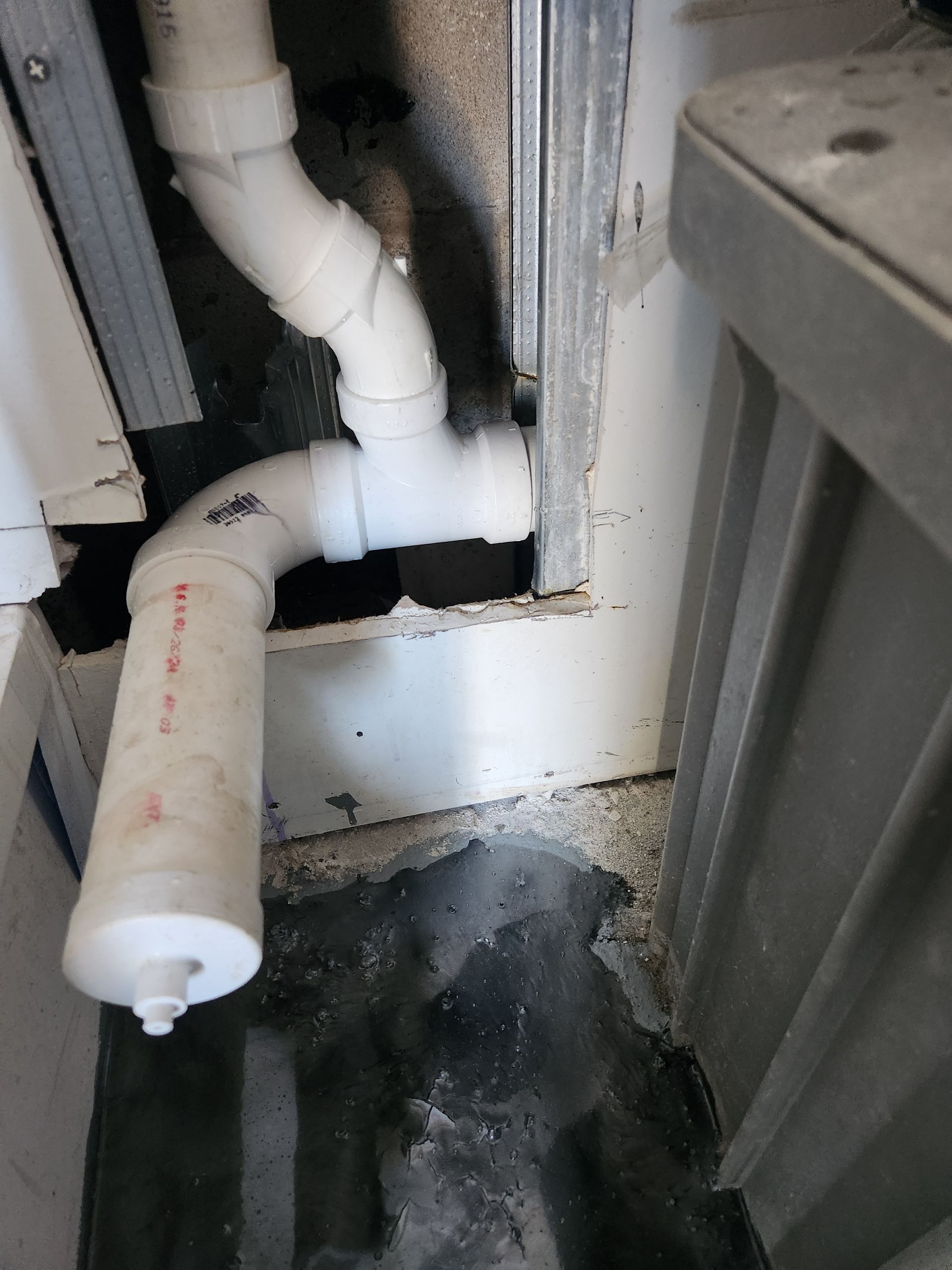
Pipe joints are one of the most common areas where leaks develop. Over time, fittings may loosen or seals may degrade due to water pressure changes and natural wear. Even minor joint movement can lead to slow leaks that gradually worsen if not addressed.
Corroded or Aging Pipes
Older plumbing systems may contain pipes that have been exposed to long-term moisture and mineral buildup. Corrosion weakens pipe walls and can lead to pinhole leaks or larger ruptures. Material breakdown is often gradual, making early detection important to prevent system failure.
Fixtures and Appliance Connections
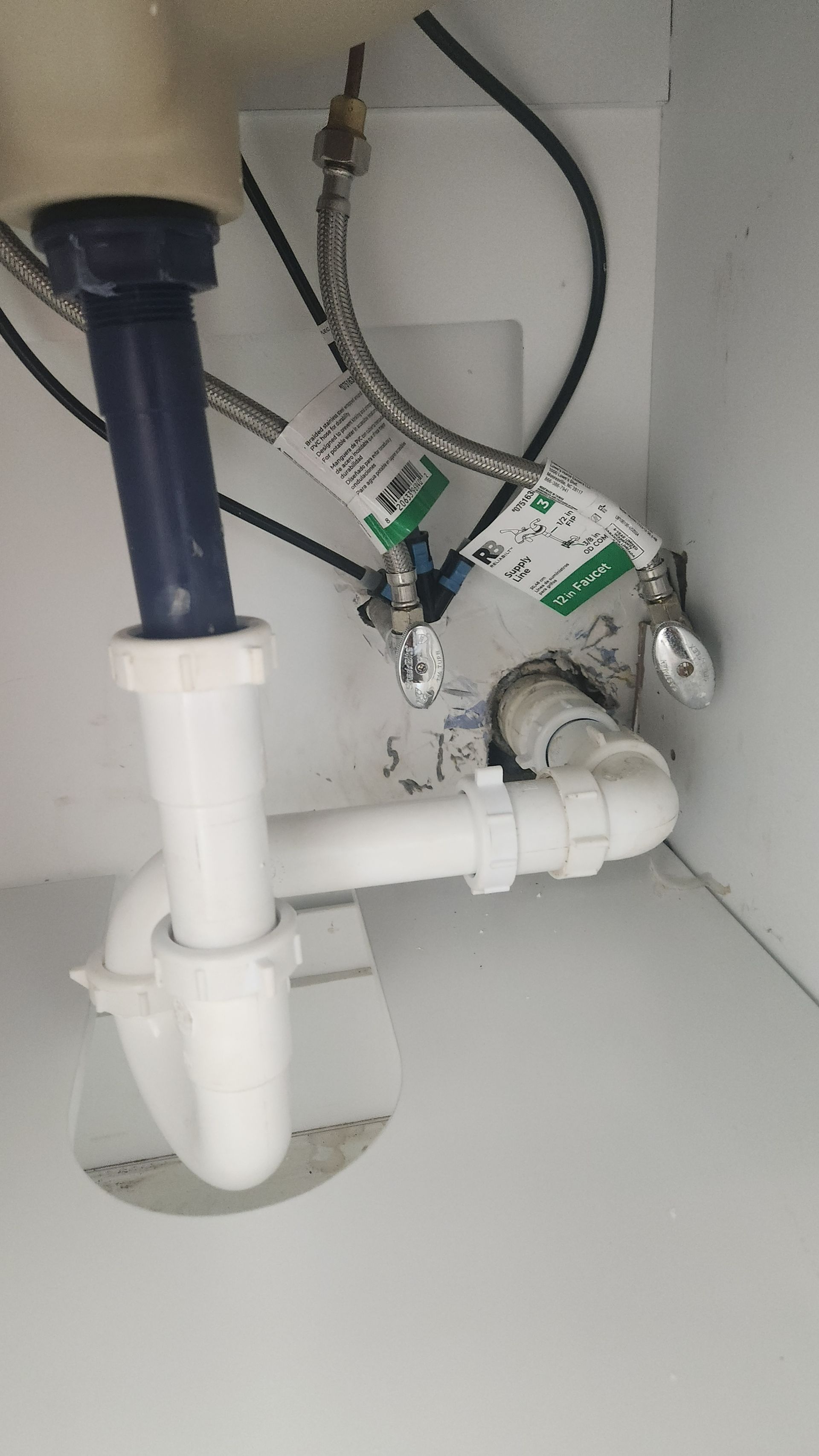
Leaks can also occur at fixtures such as sinks, toilets, and water heaters. These leaks are often caused by worn seals, loose connections, or internal component failure. Appliance-related leaks may continue unnoticed if they occur in concealed areas behind cabinetry or utility spaces.
Underground and Exterior Lines
Leaks in underground water lines can result from soil movement, root intrusion, or pipe aging. These leaks are typically more difficult to detect because they occur outside of visible structures. Changes in water bills or damp ground areas may indicate issues in buried plumbing lines.
Repair Solutions for Different Leak Types
Leak repair methods depend on the location and severity of the issue. Once the source is identified, appropriate repair techniques are used to restore proper water containment and system function.
Localized Pipe Repairs
Small leaks in accessible pipes can often be repaired by replacing damaged sections or sealing affected areas. This type of repair focuses on restoring structural integrity without requiring extensive system replacement. It is commonly used for isolated pipe damage or joint failures.
Sectional Pipe Replacement
When a larger portion of piping is compromised, partial replacement may be necessary. This involves removing the damaged section and installing new pipe materials that match the existing system. Sectional replacement is used when corrosion or deterioration is concentrated in specific areas.
Fixture and Connection Repairs
Leaks originating from fixtures or appliance connections are repaired by replacing worn seals, tightening fittings, or adjusting connection points. These repairs ensure that water is properly contained within the fixture system and does not escape into surrounding areas.
Underground Line Repairs
Underground leak repairs require careful excavation or targeted access points to reach damaged piping. Once exposed, the affected section is repaired or replaced depending on the condition of the line. This process is used for leaks that cannot be resolved through surface-level intervention.
Hidden and Slab Leak Detection
Hidden leaks and slab leaks occur in areas that are not easily accessible, such as beneath concrete foundations or behind finished walls. These leaks can remain active for extended periods before visible symptoms appear, making early detection important..
Slab Leak Identification
Slab leaks are identified through signs such as warm flooring, unexplained moisture, or pressure loss in the plumbing system. Specialized detection methods are used to pinpoint the exact location beneath the slab without unnecessary structural disruption.
Wall and Ceiling Leak Tracking
Leaks inside walls or ceilings are often identified through water staining, paint damage, or structural dampness. Detection involves tracing moisture patterns and evaluating nearby plumbing lines to locate the source of water intrusion.
Moisture Mapping and System Tracing
Moisture mapping helps determine how far water has spread within building materials. This process assists in identifying the origin of the leak and understanding how it is affecting surrounding structures. System tracing is then used to follow plumbing lines connected to the affected area.
Inspection and Ongoing System Monitoring
Leak detection and repair are often supported by ongoing inspection practices that help monitor plumbing system conditions over time. Regular assessment of pipes, fixtures, and water pressure levels allows early identification of developing issues before they become significant problems.
In Berea, London, Richmond, & Lexington, KY, plumbing systems in both residential and commercial properties benefit from periodic evaluation to maintain stable water flow and reduce the likelihood of hidden leaks. JB Plumbing applies structured inspection methods to assess system performance and identify potential leak risks within different parts of the plumbing network.