New Construction Plumbing in Berea, London, Richmond, & Lexington, KY
Overview of New Construction Plumbing Services
New construction plumbing services in Berea, London, Richmond, & Lexington, KY provided by JB Plumbing focus on the full installation of plumbing systems in newly built residential and commercial structures. This includes designing and installing water supply lines, drainage systems, venting networks, and fixture connections that form the foundation of a functional plumbing system.
Plumbing work in new construction is performed in stages that align with the building process. Each phase must be coordinated with other construction activities to ensure proper placement of pipes, compliance with building codes, and long-term system reliability. Proper installation during construction helps establish efficient water distribution and wastewater removal systems from the start.
Plumbing System Planning and Layout
Plumbing system planning is the first stage of new construction plumbing. It involves designing how water and waste systems will be distributed throughout the structure based on architectural plans and intended usage.
Water Supply System Design
Water supply system design focuses on how clean water will enter and travel through the building. This includes mapping pipe routes, determining fixture locations, and ensuring consistent water pressure throughout the structure.
Drainage System Planning
Drainage planning involves designing how wastewater will exit the building. Proper slope and pipe sizing are necessary to ensure that waste flows efficiently toward the main sewer connection or septic system.
Vent System Integration
Vent systems are planned alongside drainage systems to ensure proper airflow and pressure balance within the plumbing network. This helps prevent drainage issues such as slow flow or sewer gas buildup.
Rough-In Plumbing Installation
Rough-in plumbing is the initial installation phase where pipes are placed inside walls, floors, and structural areas before finishes such as drywall or flooring are installed.
Water Line Installation
Water lines are installed throughout the structure to supply fixtures with clean water. These lines are typically made of durable piping materials designed to withstand long-term pressure and usage demands.
Drain and Waste Line Setup
Drain and waste lines are installed to carry wastewater away from fixtures. These pipes are carefully positioned to maintain proper slope and ensure gravity-assisted flow toward the main sewer connection.
Vent Pipe Placement
Vent pipes are installed during the rough-in phase to connect drainage systems with exterior venting points. These pipes extend through the structure and often exit through the roof to support airflow and system balance.
Underground Plumbing Installation
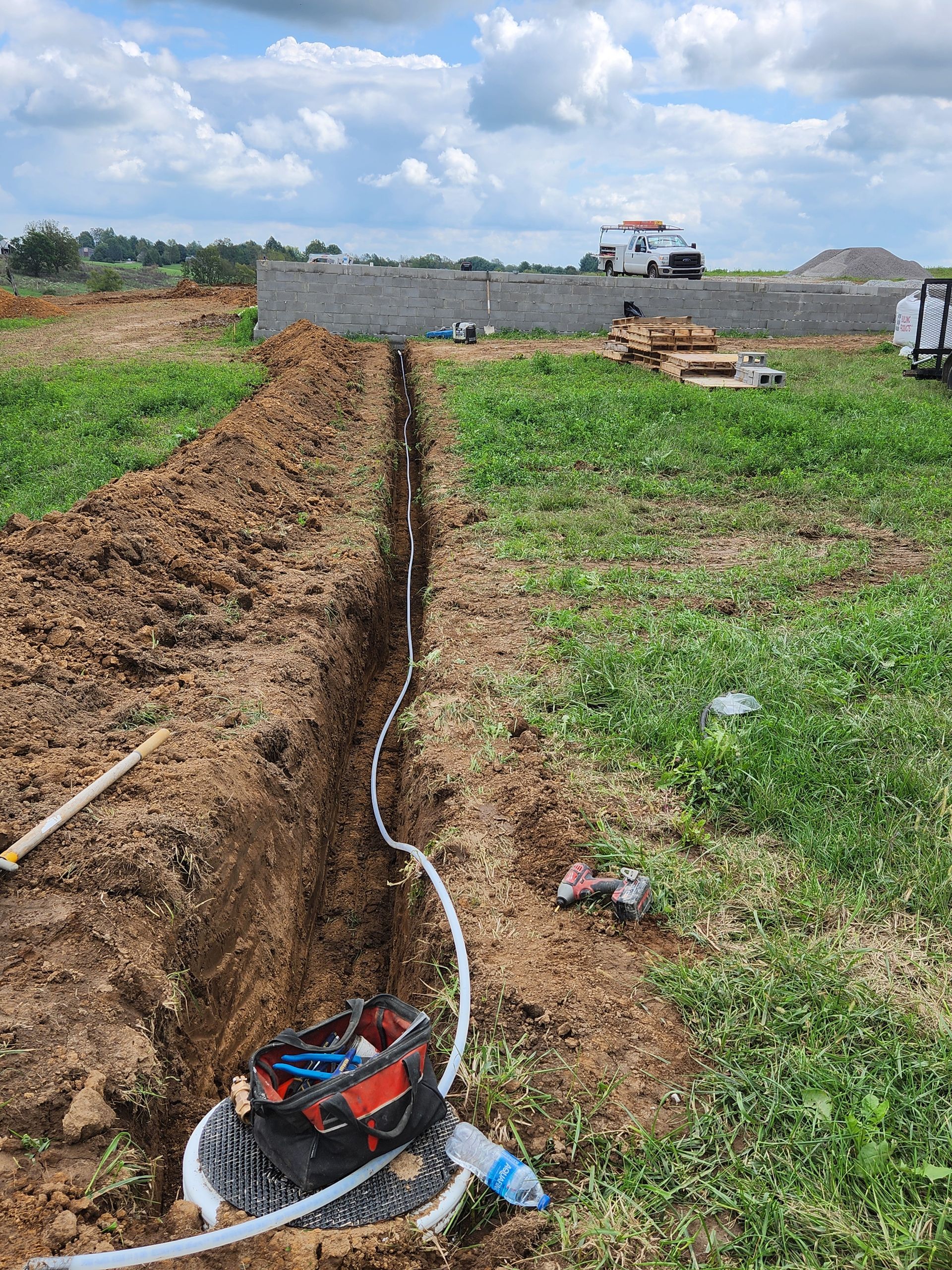
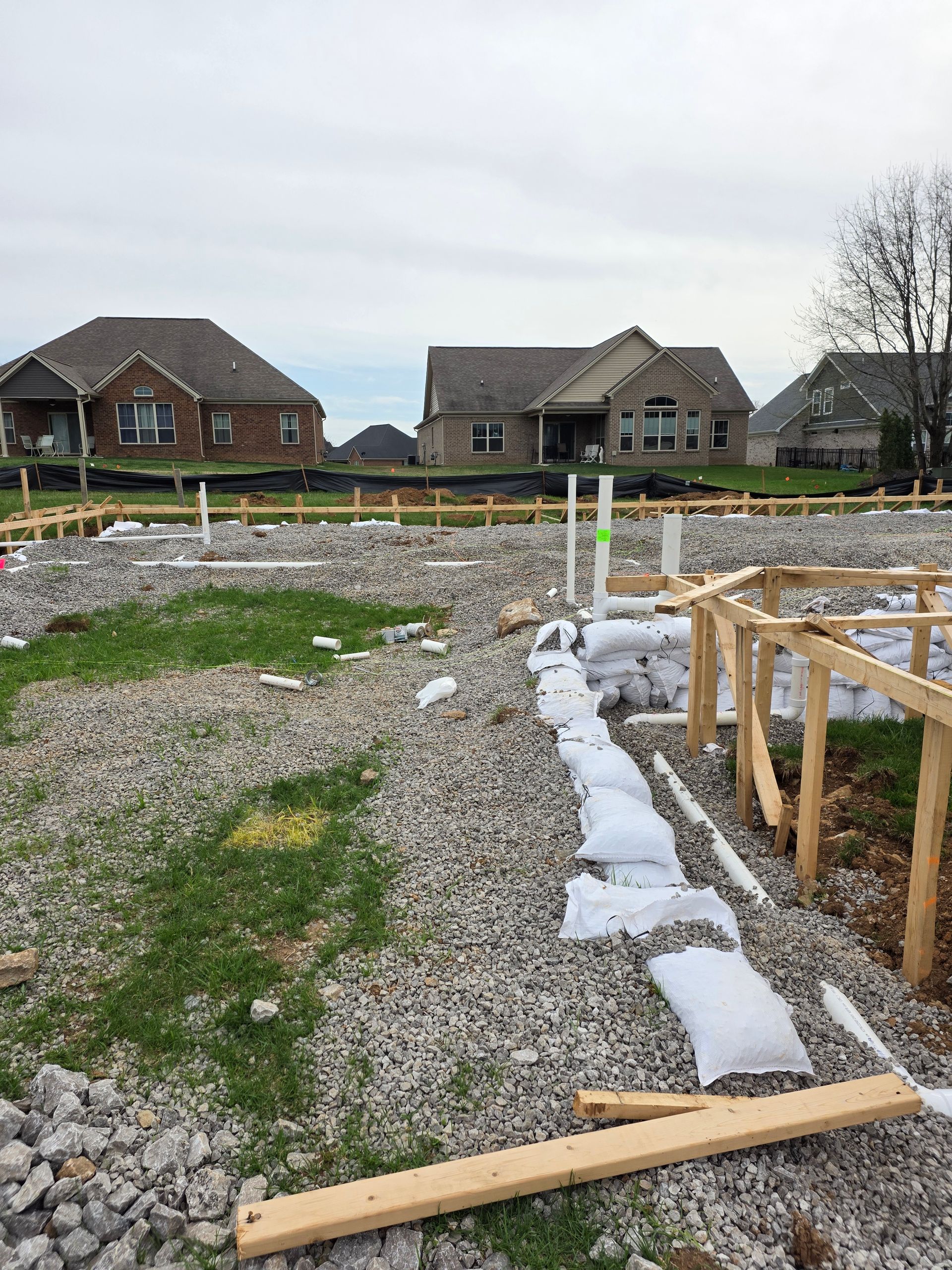
In many new construction projects, underground plumbing work is completed before the foundation is finalized. This stage establishes the main connections for water supply and sewer discharge.
Main Water Line Connection
The main water line brings water from the municipal supply into the building. Installation requires careful trenching and secure pipe placement to ensure consistent water delivery.
Sewer Line Connection
The sewer line connects the building’s drainage system to the municipal sewer or septic system. Proper alignment and grading are essential for effective wastewater transport.
Foundation Pipe Integration
Plumbing pipes that pass through or under the foundation must be properly sealed and positioned to prevent future leaks or structural issues. This ensures a secure connection between underground and interior systems.
Fixture Installation Preparation
Before final construction is completed, plumbing systems are prepared for fixture installation. This includes ensuring that all supply and drain connections are correctly positioned for final connections.
Kitchen and Bathroom Rough Connections
Rough connections for sinks, toilets, showers, and appliances are installed during the construction phase. These connections are positioned according to the building layout to ensure proper alignment during final installation.
Appliance Line Preparation
Water and drain lines for appliances such as dishwashers and washing machines are installed in advance. This ensures that appliances can be easily connected once the building is complete.
Pressure and Flow Readiness
Plumbing systems are tested for pressure stability and flow readiness before final fixtures are installed. This helps confirm that the system is functioning properly prior to full activation.
Plumbing System Testing and Finalization
Once installation is complete, plumbing systems undergo testing to confirm proper operation before the building is finished. This ensures that all components function correctly under normal usage conditions.
Pressure Testing Procedures
Pressure testing is used to verify that water lines can maintain consistent pressure without leaks or failures. This step is essential for ensuring system integrity.
Drainage Flow Testing
Drainage systems are tested to confirm that wastewater flows properly through all connected lines. This helps identify any installation issues before final construction completion.
System Inspection and Verification
Final inspections ensure that all plumbing components are properly installed and functioning according to design specifications. This includes checking connections, alignment, and system performance.
Commercial New Construction Plumbing
Commercial plumbing in new construction projects involves larger and more complex systems compared to residential buildings. These systems are designed to support higher usage demands and multiple simultaneous water access points.
High-Capacity System Design
Commercial buildings require plumbing systems capable of handling continuous water usage. Pipe sizing, layout design, and pressure balancing are carefully planned to meet operational needs.
Multi-Unit Plumbing Integration
In multi-unit buildings such as offices or apartment complexes, plumbing systems are designed to serve multiple independent units. This requires careful separation and coordination of water and drainage lines.
Code Compliance and System Standards
Commercial plumbing installations must comply with local building codes and safety standards. This includes proper installation methods, pipe materials, and system testing requirements to ensure safe operation.
Residential New Construction Plumbing
Residential new construction plumbing focuses on installing systems for single-family homes and smaller residential buildings in Berea, KY. These systems are designed to provide reliable water supply and efficient drainage for everyday household use.
Whole-Home Plumbing Layout
Residential plumbing layouts are designed to distribute water efficiently to all areas of the home, including kitchens, bathrooms, laundry areas, and outdoor connections.
Efficient Water Distribution Systems
Water distribution systems are designed to maintain consistent pressure across all fixtures. This ensures reliable water access throughout the home.
Long-Term System Durability
Residential plumbing systems are installed with long-term performance in mind, using materials and installation methods that support durability and reduced maintenance needs over time.
Integrated Plumbing Systems in New Construction
New construction plumbing systems must function as a unified network, combining water supply, drainage, and venting systems into a single coordinated structure. Proper integration ensures that all components work together efficiently.
In Berea, London, Richmond, & Lexington, KY, new construction projects rely on carefully planned plumbing systems to support long-term building performance. JB Plumbing installs integrated plumbing networks that align with construction timelines and building requirements, ensuring that residential and commercial properties are equipped with fully functional plumbing systems from the ground up.