Sewer Line Diagnostics and Replacement in Berea, London, Richmond, & Lexington, KY
Overview of Sewer Line Diagnostic and Replacement Services
Sewer line diagnostics and replacement services in Berea, London, Richmond, & Lexington, KY provided by JB Plumbing focus on identifying issues within underground sewer systems and restoring proper wastewater flow through repair or full line replacement. Sewer lines are responsible for transporting all wastewater from residential and commercial properties to the municipal sewer system or septic system. When these lines become damaged or blocked, they can cause significant plumbing disruptions.
Diagnostics are used to determine the exact condition and location of sewer line problems. Replacement is performed when the existing line is too damaged or deteriorated to function properly. Both services are essential for maintaining safe and efficient wastewater removal in plumbing systems.
Sewer Line System Function and Importance
Sewer lines operate as the main pathway for wastewater leaving a property. They collect water from all indoor drains and transport it away from the building. Because these lines are typically underground, issues can develop without immediate visibility.
Wastewater Transport Process
Sewer lines collect wastewater from sinks, toilets, showers, and appliances. This wastewater flows through a network of drain pipes that connect to a main sewer line. Proper slope and pipe condition are necessary to maintain continuous flow toward the disposal system.
Underground Plumbing Infrastructure
Most sewer lines are installed underground, making them less accessible for inspection and repair. This location protects the system but also makes it more difficult to detect problems without specialized diagnostic methods.
Connection to Municipal or Septic Systems
Sewer lines ultimately connect to either a municipal sewer system or a private septic system. Any disruption in the sewer line can affect the entire wastewater disposal process, leading to backups or system failure.
Sewer Line Diagnostic Methods
Sewer line diagnostics involve identifying blockages, breaks, or deterioration within the underground piping system. Because these issues are not visible from the surface, specialized tools and inspection techniques are used.
Camera Inspection Technology
Camera inspection is commonly used to view the inside of sewer lines. A flexible camera is inserted into the pipe, allowing real-time visualization of blockages, cracks, or structural damage. This method helps determine the exact location and severity of the issue.
Flow Testing and System Evaluation
Flow testing involves checking how wastewater moves through the sewer line. Slow or restricted flow can indicate partial blockages or pipe narrowing. This evaluation helps identify areas that require further inspection or repair.
Leak and Break Detection
Diagnostic methods are used to locate leaks or breaks in sewer lines. Signs such as soil saturation, sinkholes, or unusual ground moisture may indicate underground pipe damage. Detection helps determine whether repair or replacement is needed.
Common Sewer Line Problems
Sewer line issues can develop over time due to environmental conditions, material aging, and external pressure on underground pipes.
Tree Root Intrusion
Tree roots are one of the most common causes of sewer line damage. Roots naturally grow toward moisture sources and can enter pipes through small cracks or joints, eventually blocking or breaking the line.
Pipe Corrosion and Aging
Older sewer lines made from clay, cast iron, or other traditional materials may corrode or deteriorate over time. This weakens the structure of the pipe and increases the risk of collapse or leakage.
Blockages from Waste and Debris
Accumulated waste, grease, and non-flushable materials can cause blockages in sewer lines. These obstructions restrict flow and may lead to backups inside the property.
Ground Movement and Structural Shifts
Soil movement due to weather conditions, construction activity, or natural settling can shift or damage sewer pipes. Even minor shifts can cause misalignment or cracking in the system.
Sewer Line Repair and Replacement Decision Process
Determining whether a sewer line should be repaired or replaced depends on the severity and extent of the damage identified during diagnostics.
Localized Repair Considerations
If damage is limited to a small section of the sewer line, targeted repairs may be possible. This involves addressing the specific damaged area while preserving the remaining functional sections of the pipe.
Full Replacement Requirements
When sewer lines are extensively damaged, collapsed, or heavily deteriorated, full replacement is often necessary. Replacement ensures that the entire system is restored with new piping capable of long-term performance.
Structural Integrity Evaluation
The overall condition of the sewer line is assessed to determine whether continued repairs would be effective. If multiple problem areas are present, replacement is typically recommended to restore system reliability.
Sewer Line Replacement Process
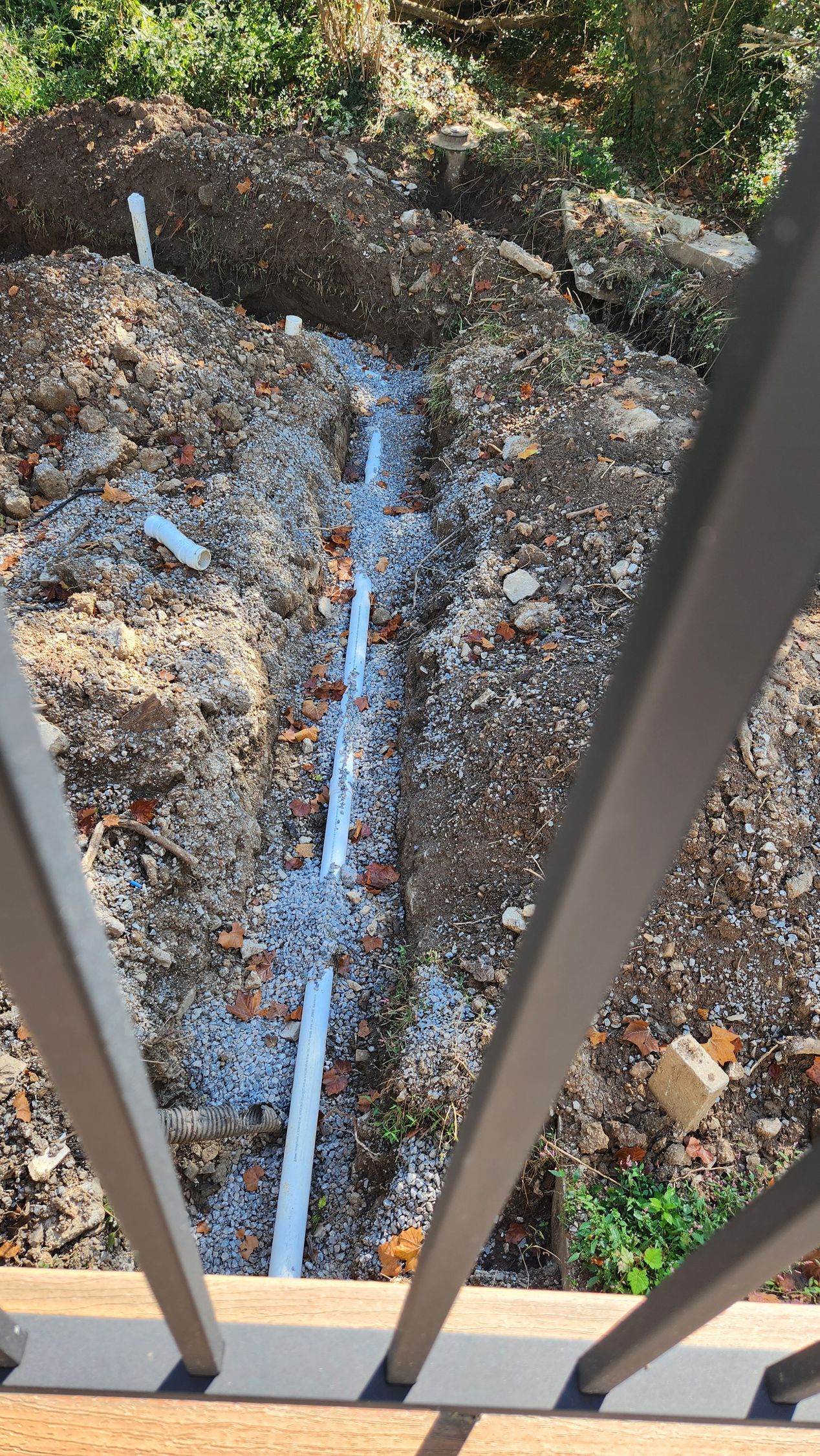
Sewer line replacement involves removing the existing damaged pipe and installing a new sewer line that meets current plumbing standards and system requirements.
Excavation and Access to Sewer Line
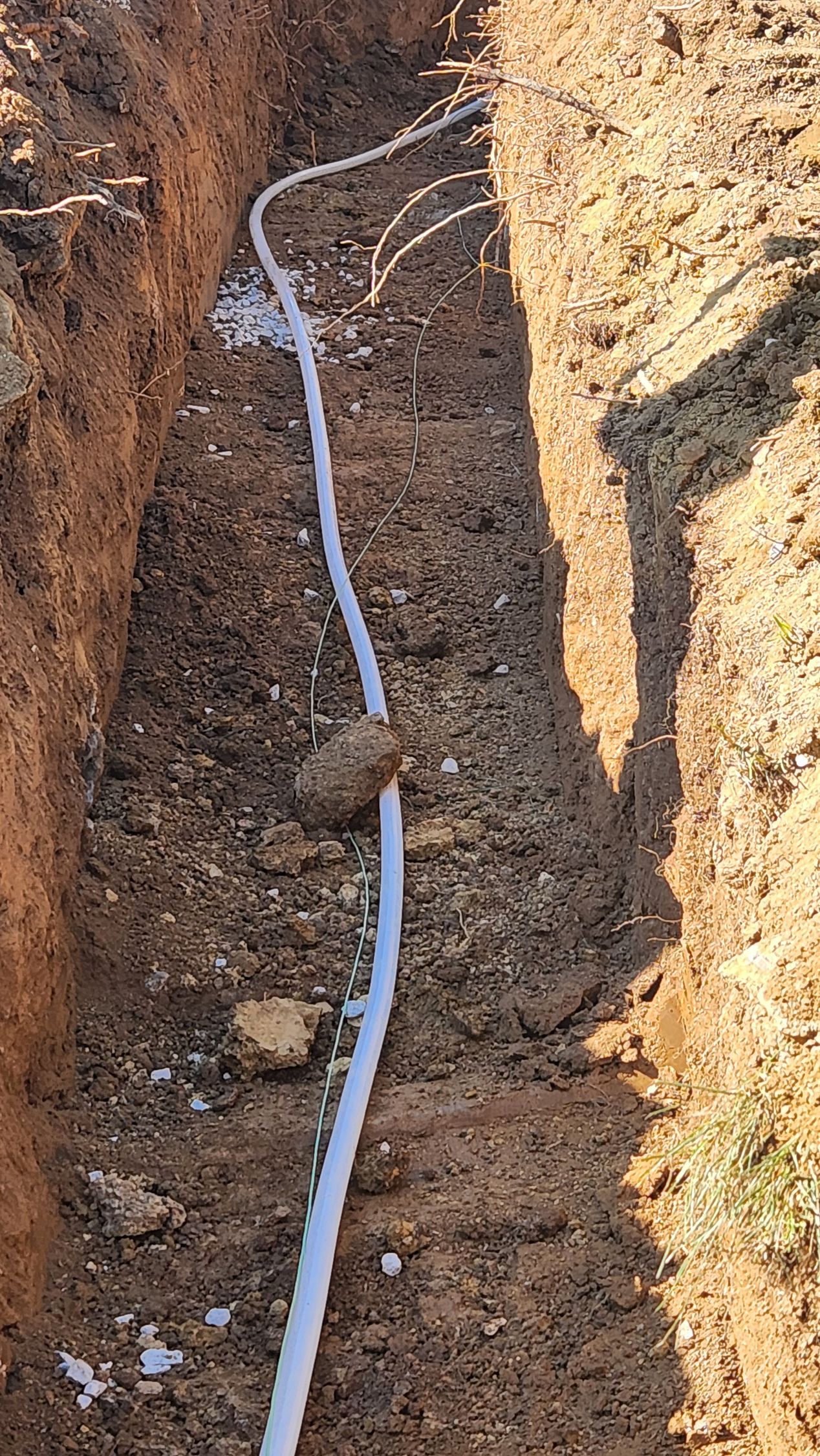
Because sewer lines are underground, access is created through controlled excavation. This allows the damaged pipe to be safely exposed for removal and replacement.
Removal of Existing Pipe System
The existing sewer line is removed carefully to avoid further disruption to surrounding soil and infrastructure. This step prepares the area for installation of new piping.
Installation of New Sewer Line
A new sewer line is installed to replace the old system. Proper alignment, slope, and connection points are essential to ensure efficient wastewater flow and long-term performance.
System Testing and Flow Verification
After installation, the sewer system is tested to confirm proper operation. This includes verifying wastewater flow and checking for any leaks or connection issues.
Residential Sewer Line Services
Residential sewer lines in Berea, London, Richmond, & Lexington, KY handle wastewater from household plumbing systems. These systems must operate efficiently to prevent backups and maintain sanitary conditions within the home.
Residential sewer line diagnostics help identify issues early before they lead to major plumbing disruptions. Replacement work ensures that homes continue to have reliable wastewater disposal systems.
Commercial Sewer Line Services
Commercial properties often have larger and more complex sewer systems due to increased water usage and multiple plumbing connections. Businesses such as restaurants, apartment buildings, and offices depend on consistent sewer performance.
Commercial sewer line diagnostics and replacement involve handling higher-capacity systems and ensuring compliance with plumbing standards. Proper function is essential for maintaining business operations and hygiene requirements.
Sewer System Performance and Maintenance Considerations
Sewer line performance depends on pipe condition, installation quality, and environmental factors affecting underground systems. Regular evaluation helps identify early signs of failure and reduces the risk of major disruptions.
In Berea, London, Richmond, & Lexington, KY, sewer systems in both residential and commercial properties require structured assessment when performance issues arise. JB Plumbing applies diagnostic methods and replacement procedures to support stable wastewater flow and restore system functionality when sewer line issues occur.